Pennsylvania asbestos exposure education
Understanding Asbestos Exposure Risks in Pennsylvania
Pennsylvania has a deep industrial history involving steel mills, shipyards, railroads, power generation, manufacturing plants, refineries, schools, public buildings, and commercial construction where asbestos-containing materials were commonly used for decades.
Pennsylvania asbestos education resource
This page is designed as a plain-English educational guide for understanding where asbestos exposure may have occurred in Pennsylvania and why older industrial, maritime, commercial, school, and public buildings may still be important to a person’s exposure history.
Many asbestos-related diseases are associated with exposures that occurred decades before symptoms appeared. For that reason, Pennsylvania exposure history often involves older jobs, steel mills, shipyards, railroads, power plants, manufacturing settings, construction projects, and household take-home exposure.
Where asbestos exposure may have occurred in Pennsylvania
Pennsylvania’s industrial economy created many settings where asbestos-containing materials were historically used. Asbestos was valued because it resisted heat, fire, chemicals, friction, and wear. Those properties made it common in older insulation, mechanical systems, boiler rooms, turbines, furnaces, industrial gaskets, refractory materials, ship systems, rail equipment, flooring, roofing, siding, and fireproofing.
Exposure may have occurred when these materials were installed, maintained, repaired, removed, demolished, cut, scraped, sanded, or otherwise disturbed. Workers did not always know when asbestos was present, and many jobs involved nearby or bystander exposure when another trade disturbed dusty materials in the same work area.
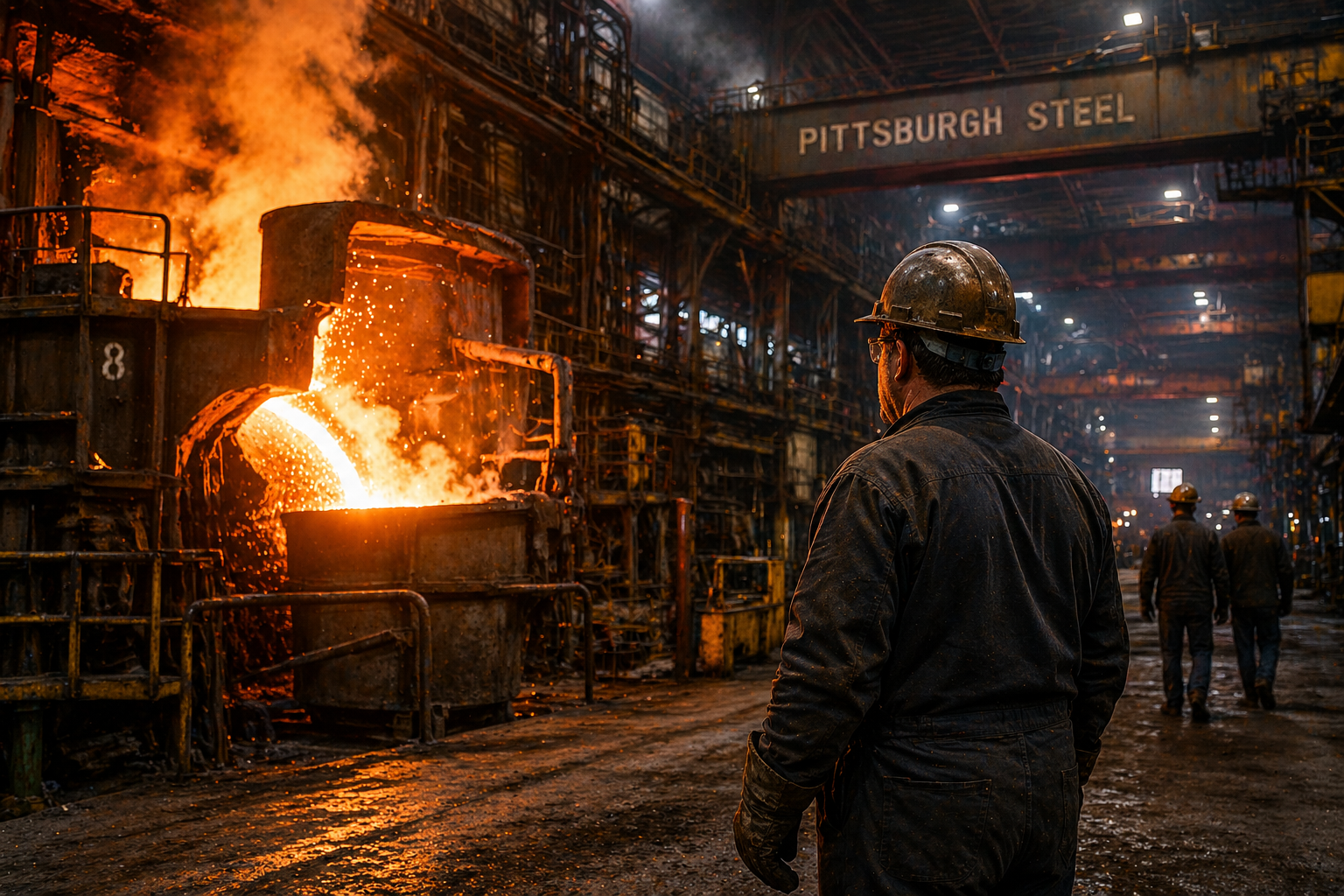
Common Pennsylvania industries historically associated with asbestos use
Pennsylvania workers in steel production, shipbuilding, power generation, railroad maintenance, chemical production, refineries, manufacturing, foundries, public utilities, and construction trades may have encountered asbestos-containing materials. The level of concern depended on the time period, specific materials, job tasks, ventilation, work practices, and whether dust controls or respiratory protection were used.
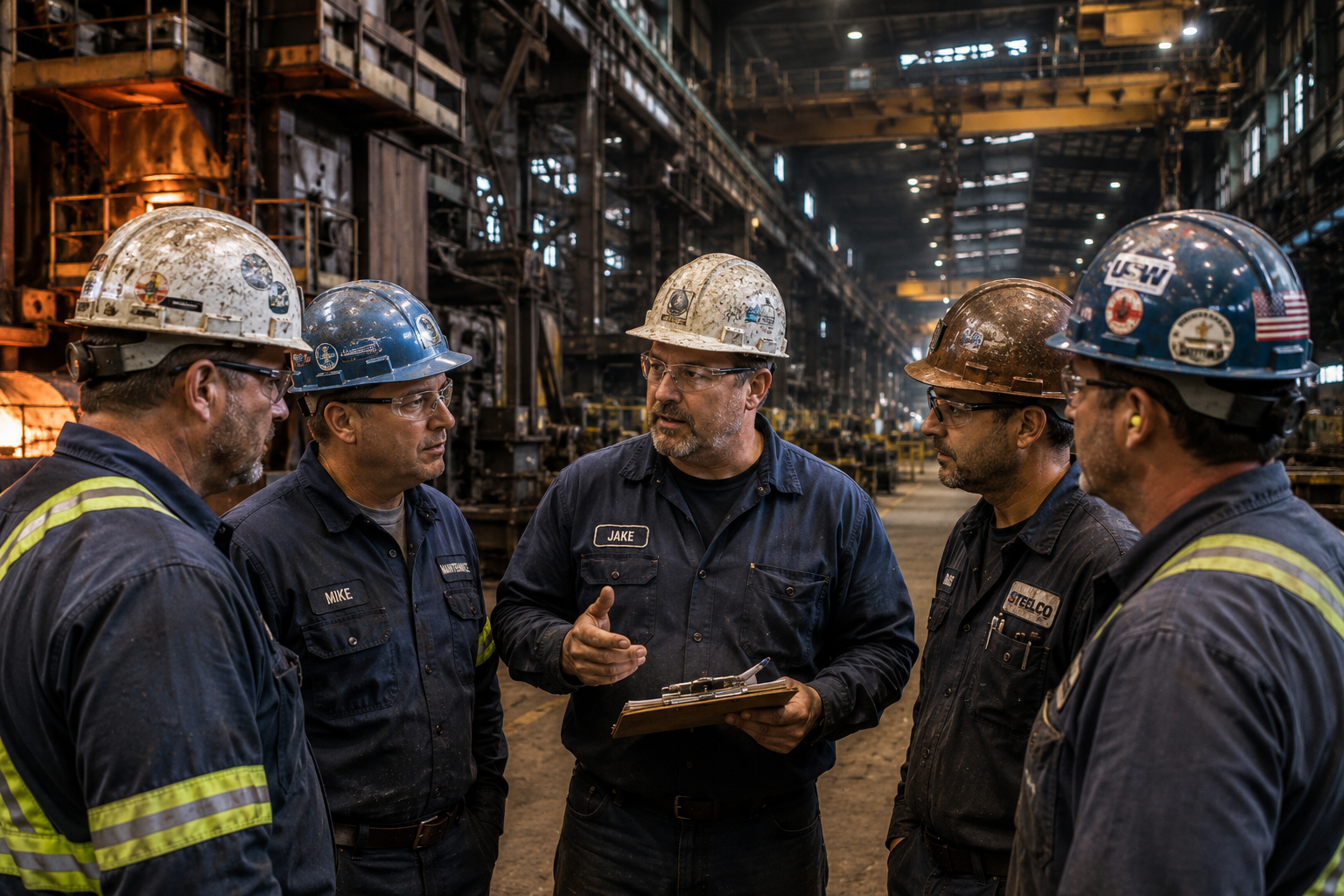
Steel mills, foundries, and manufacturing facilities
Pennsylvania steel mills and manufacturing plants often relied on high-temperature equipment, steam systems, boilers, furnaces, ovens, refractory materials, and heavy mechanical systems. Asbestos-containing materials were historically used to insulate hot surfaces, protect equipment, reduce fire risk, and seal industrial systems.
Workers who may have encountered asbestos in these settings include steelworkers, millwrights, pipefitters, insulators, maintenance employees, electricians, welders, boiler workers, machinists, laborers, operators, supervisors, and outside contractors. Exposure could happen during routine maintenance, shutdowns, repairs, demolition, equipment replacement, or renovation of older industrial areas.
Industrial asbestos exposure was not always limited to the worker directly handling the material. Dust could spread in shared work spaces, especially when insulation, gaskets, fireproofing, refractory materials, or furnace linings were removed or repaired.
Shipyards and maritime asbestos exposure
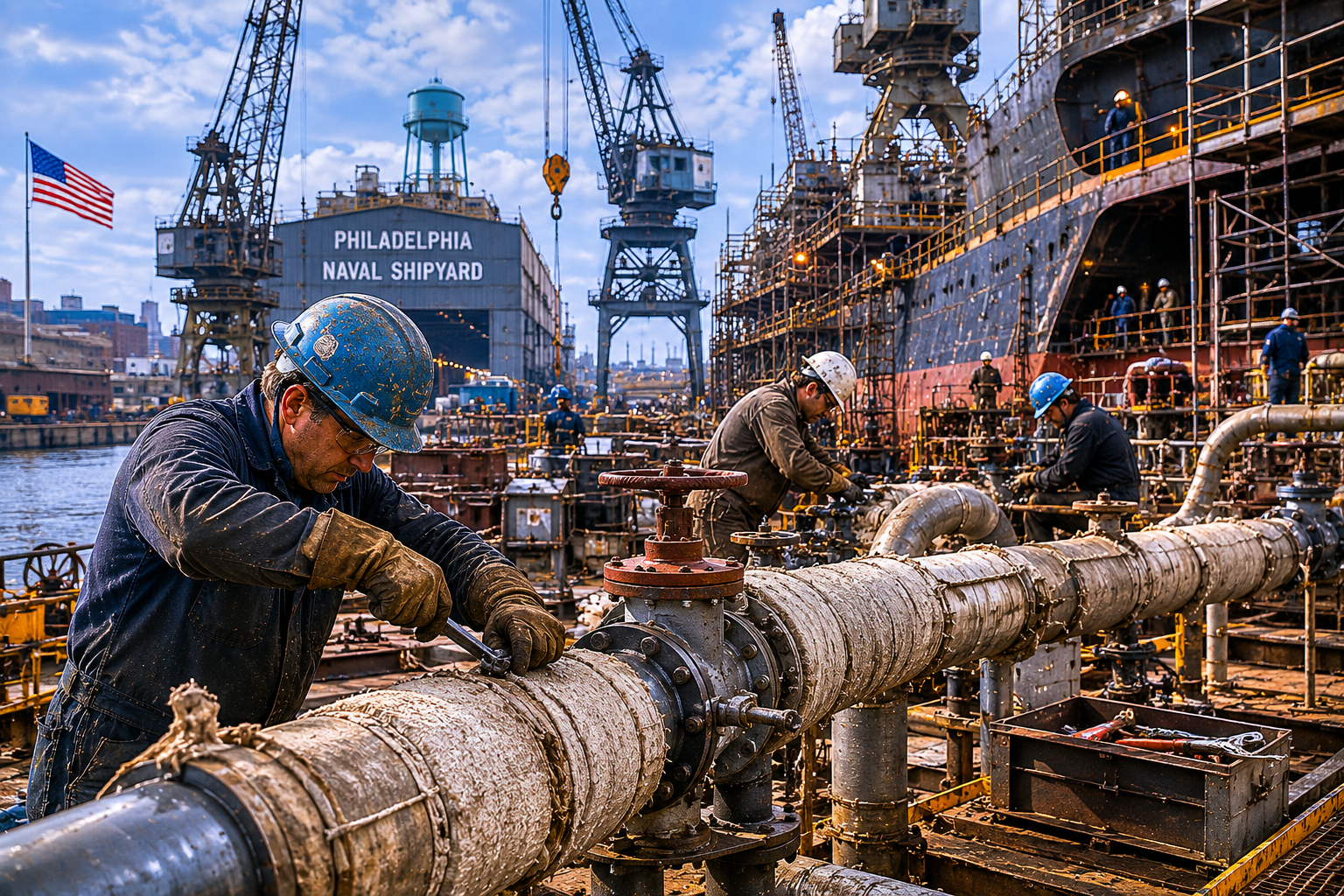
Pennsylvania’s shipyard history, especially in the Philadelphia region, created another important asbestos exposure setting. Ships historically used asbestos-containing materials because vessels required fire-resistant and heat-resistant products in confined mechanical areas.
Shipyard workers, Navy personnel, pipefitters, machinists, welders, insulators, electricians, boiler workers, and maintenance crews may have worked around asbestos in engine rooms, boiler rooms, piping systems, pumps, valves, gaskets, packing, bulkheads, and fireproofing materials.
Power plants and steam systems in Pennsylvania
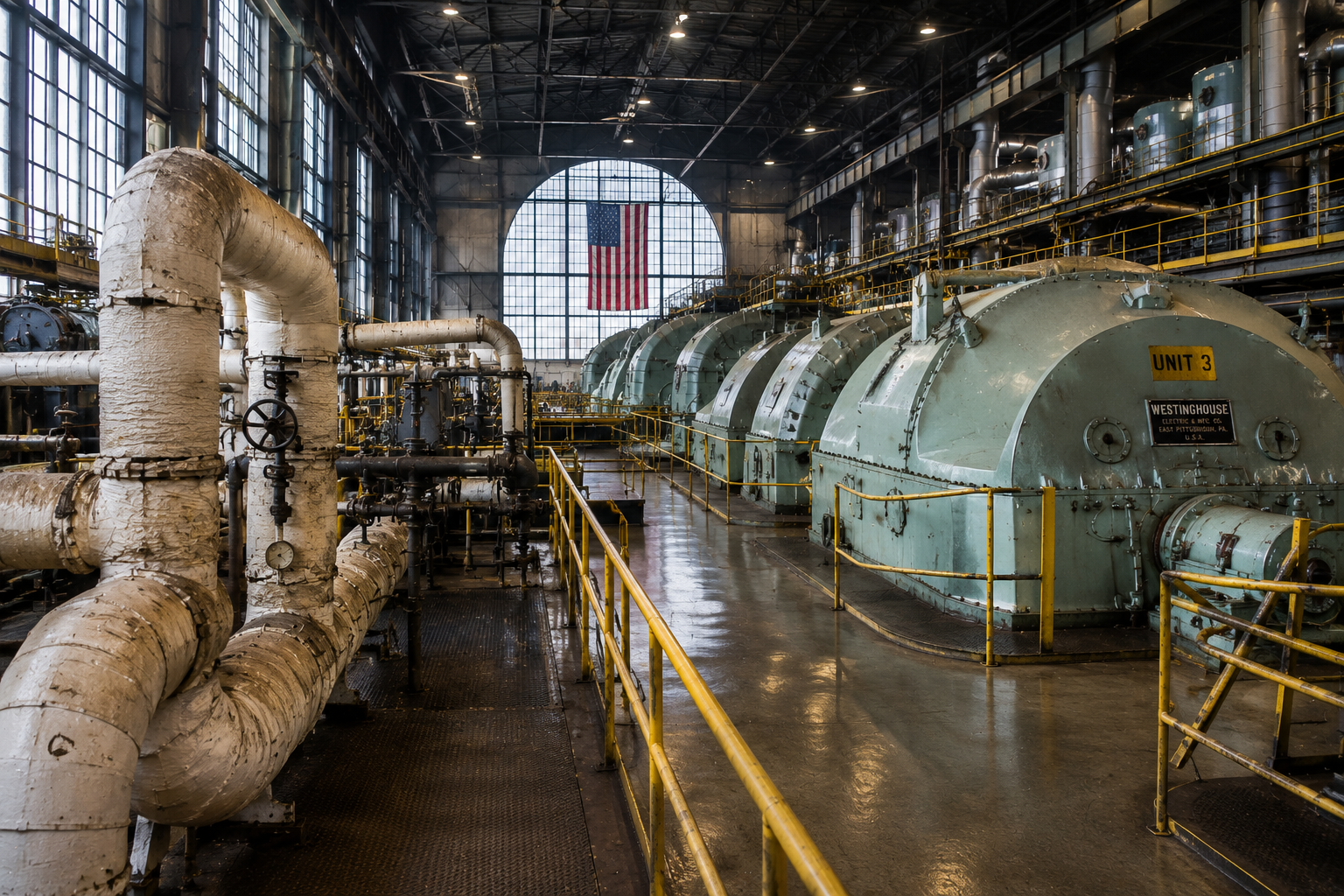
Power plants are another important Pennsylvania exposure setting because many older power generation facilities used steam systems, turbines, boilers, condensate lines, pumps, valves, and high-temperature equipment. Asbestos-containing insulation, gaskets, packing, and fire-resistant materials were historically used in many of these systems.
Pipefitters, boiler workers, electricians, maintenance crews, turbine workers, insulators, and contractors may have worked around asbestos-containing materials during outages, repairs, valve replacement, insulation removal, and equipment rebuilds. Coal-fired power stations and industrial utility plants are especially important settings to review when building an exposure history.
Pipe insulation and mechanical systems
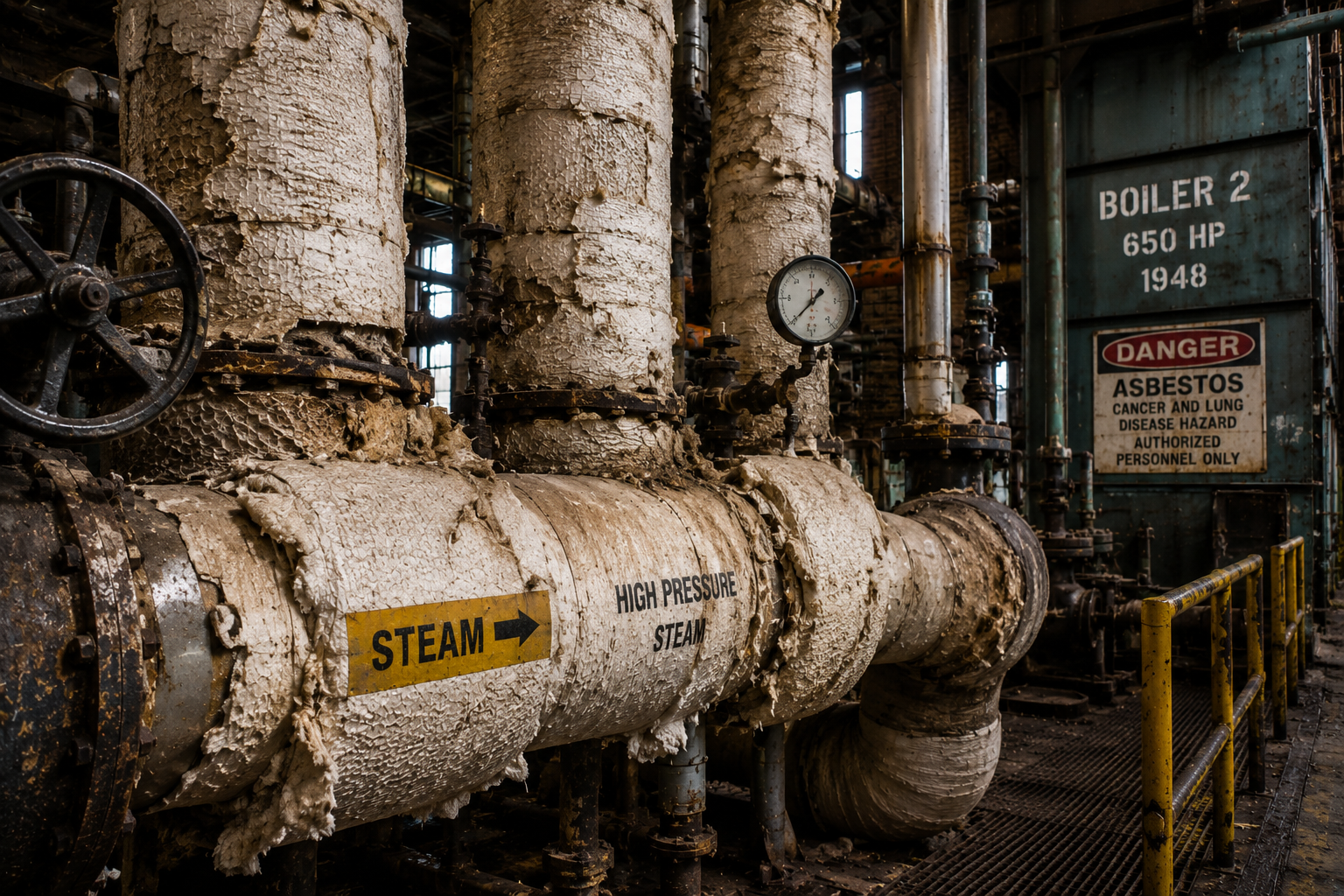
Pipe insulation is one of the most recognizable asbestos-containing materials in older industrial and commercial settings. In Pennsylvania facilities, thermal system insulation may have been present around steam lines, condensate lines, hot water pipes, boiler piping, elbows, fittings, tanks, and mechanical equipment.
These materials became a concern when they were damaged, deteriorated, repaired, cut, removed, or disturbed during maintenance and renovation work. Elbows, fittings, valves, and pipe penetrations were often areas where insulation was patched or replaced over time.
Railroads, schools, public buildings, and commercial construction
Pennsylvania’s railroad, public infrastructure, school, hospital, courthouse, municipal, office, and commercial building history may also be relevant to asbestos exposure research. Older buildings may have used asbestos-containing floor tile, black mastic adhesive, pipe insulation, boiler insulation, ceiling materials, plaster, drywall joint compound, roofing, siding, and fireproofing.
In schools, asbestos management planning became important because materials could remain in place if they were intact and properly managed. Maintenance work, renovation, and demolition required special attention to avoid disturbing hidden materials above ceilings, inside pipe chases, under flooring, or in mechanical spaces.
Learn more about asbestos in schools and AHERA-style management plans.
Occupational and secondhand exposure in Pennsylvania
Occupational exposure may have occurred when Pennsylvania workers handled or worked near asbestos-containing materials. Jobs of interest can include steelworkers, shipyard workers, Navy personnel, railroad workers, power plant employees, pipefitters, insulators, plumbers, electricians, boiler workers, maintenance employees, demolition workers, construction trades, mechanics, refinery workers, foundry workers, and industrial laborers.
Secondhand exposure, also called take-home exposure, may have occurred when workers carried asbestos dust home on clothing, boots, tools, vehicles, hair, or laundry. Family members may have encountered fibers even if they did not work directly with asbestos-containing materials.
Asbestos-containing materials commonly found in Pennsylvania buildings and workplaces
- Pipe insulation, boiler insulation, and thermal system insulation
- Shipboard insulation, marine gaskets, packing, and engine room materials
- Vinyl floor tile, sheet flooring, and black mastic adhesive
- Industrial gaskets, packing, valves, pumps, and machinery components
- Refractory materials, furnace linings, firebrick, and high-heat products
- Ceiling texture, plaster, drywall joint compound, and fireproofing
- Roofing materials, siding, cement board, and transite panels
- Brake, clutch, and friction materials in certain older railroad and industrial applications
Mesothelioma, asbestosis, and other asbestos-related diseases
Asbestos exposure is associated with several serious diseases. Mesothelioma is a cancer of the mesothelium, the lining around certain organs. The most common form, pleural mesothelioma, affects the lining around the lungs. Asbestosis is a chronic lung disease involving scarring of lung tissue. Asbestos exposure is also associated with pleural plaques and an increased risk of lung cancer.
These diseases may take many years to develop after exposure. A person’s exposure history may include jobs or buildings from decades earlier, which is why older Pennsylvania industrial, maritime, railroad, commercial, school, and public building history can be relevant.
Educational Information
If you are trying to organize possible asbestos exposure history in Pennsylvania, it may help to write down job sites, employers, dates, industries, products, military or shipyard service, building materials, and whether any household exposure may have occurred.
Use the site’s educational resources to better understand asbestos exposure patterns, common materials, occupational settings, and disease-related terminology.
Why Pennsylvania Has Historically Experienced Significant Asbestos Exposure
Pennsylvania has long been one of the nation's most important centers for steel production, shipbuilding, railroads, power generation, manufacturing, construction, and public infrastructure. Many older industrial facilities and public buildings built before the 1980s relied heavily on asbestos-containing insulation, pipe coverings, boiler systems, gaskets, refractory materials, fireproofing products, floor tile, roofing, and mechanical equipment components.
Workers employed in steel mills, shipyards, power stations, rail facilities, factories, chemical plants, industrial maintenance, construction trades, schools, hospitals, and commercial buildings may have encountered asbestos-containing materials during installation, maintenance, repair, renovation, demolition, or equipment replacement activities.
Major Pennsylvania industrial regions historically associated with asbestos use include Pittsburgh, Bethlehem, Philadelphia, Erie, Allentown, Johnstown, Harrisburg, Scranton, Wilkes-Barre, and other steel, railroad, shipyard, manufacturing, and power-generation corridors.
Official Pennsylvania Government and Medical Resources
Individuals seeking additional information about asbestos exposure, mesothelioma, occupational health, environmental regulations, worker safety, veterans resources, and medical treatment options in Pennsylvania may find the following resources helpful.
Pennsylvania Health & Environmental Agencies
- Pennsylvania Department of Health – State public health information, disease resources, and health guidance.
- Pennsylvania Department of Environmental Protection (DEP) – Environmental programs, air quality information, and asbestos-related regulatory resources.
- Pennsylvania DEP Asbestos Program – State asbestos information related to demolition, renovation, notification, and compliance topics.
- Pennsylvania Department of Labor & Industry – Worker safety, labor, and occupational information.
Pennsylvania Medical & Cancer Resources
- UPMC Hillman Cancer Center – Cancer care and research services based in Pennsylvania.
- Penn Medicine Abramson Cancer Center – Cancer treatment, research, and patient resources.
- Sidney Kimmel Cancer Center at Jefferson Health – Cancer care and treatment resources in Pennsylvania.
- Fox Chase Cancer Center – Cancer research and treatment center in Philadelphia.
Worker Safety & Occupational Exposure Resources
- NIOSH Asbestos Resources – Workplace asbestos exposure information and occupational safety guidance.
- OSHA Asbestos Standards – Federal asbestos standards and worker protection requirements.
Mesothelioma & Public Health Information
- National Cancer Institute – Mesothelioma Information – Federal cancer information about mesothelioma symptoms, diagnosis, and treatment.
- ATSDR Asbestos Information – Health information regarding asbestos exposure and environmental hazards.
Pennsylvania Veterans Resources
- Pennsylvania Department of Military and Veterans Affairs – State resources and assistance for Pennsylvania veterans.
- U.S. Department of Veterans Affairs – Veteran healthcare resources and information regarding service-related health concerns.
Reminder: This content is for general education only. MesotheliomaClaims.us is not a law firm, does not provide legal advice, and does not provide medical advice.