

Asbestos exposure education
How Asbestos Exposure Happens
Asbestos exposure usually occurs when asbestos-containing materials are disturbed and microscopic fibers become airborne. Understanding how exposure can happen is an important first step for families researching mesothelioma, asbestos diseases, and possible exposure history.
Plain-English asbestos exposure education
Asbestos exposure generally becomes a concern when asbestos-containing materials are disturbed, damaged, deteriorated, cut, scraped, drilled, sanded, removed, or handled in a way that can release microscopic fibers into the air.
This page explains exposure in practical terms, including building maintenance, deteriorating materials, occupational exposure, and secondhand or take-home exposure.
Understanding asbestos exposure
Asbestos exposure does not usually occur simply because an asbestos-containing material exists somewhere in a building. The greater concern is when a material is disturbed or deteriorated enough that fibers can separate from the material and become airborne. Once airborne, asbestos fibers are too small to see with the naked eye and can remain suspended in the air or settle onto nearby surfaces, clothing, tools, or equipment.
Exposure can occur during building maintenance, renovation, demolition, repair, cleanup, or industrial work. Activities such as removing ceiling materials, accessing pipe spaces above ceilings, cutting into walls, scraping old flooring, disturbing pipe insulation, or working around boilers and mechanical systems can all create concerns when suspect materials are present.
The amount of potential exposure depends on the type of material, whether it is friable or non-friable, the condition of the material, the method of disturbance, ventilation, duration of work, and whether proper controls were used. Damaged pipe insulation, deteriorated fireproofing, crumbling ceiling materials, and dust-producing removal methods can be especially important to evaluate.

Deteriorated asbestos-containing materials
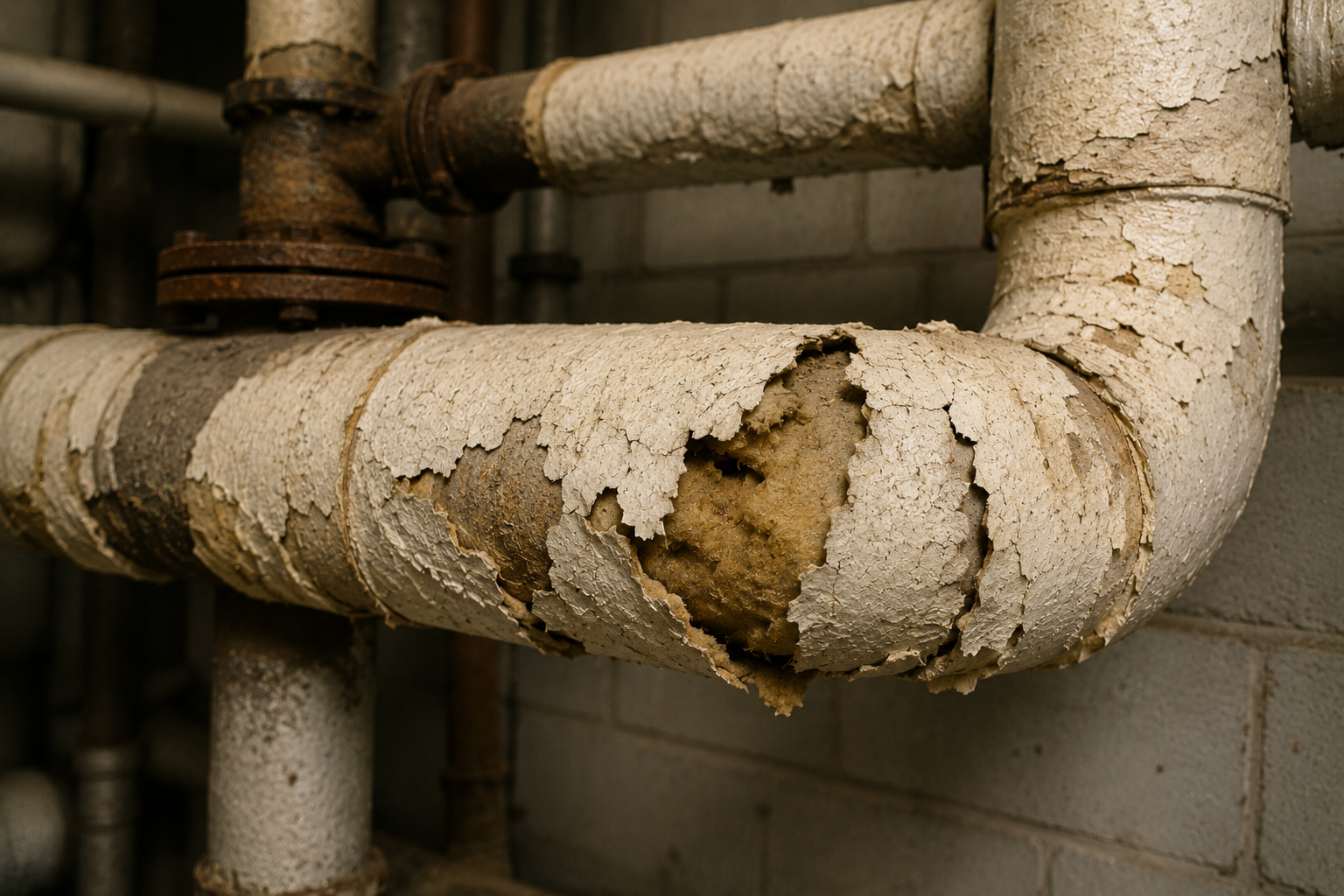
Some asbestos-containing materials become more concerning when they are damaged, cracked, water-damaged, delaminated, crumbling, or deteriorated with age. Thermal system insulation around pipes and boilers is one example of a material that may become friable when the outer jacket breaks down or the insulation is exposed.
Deteriorated materials can be disturbed by vibration, maintenance activity, air movement, accidental contact, or repair work. In older buildings, damaged insulation may be hidden in mechanical rooms, pipe chases, crawlspaces, utility tunnels, or above ceilings where it is not obvious to occupants.
Occupational and secondhand exposure
Occupational asbestos exposure historically occurred in construction, demolition, shipyards, power plants, industrial facilities, schools, hospitals, refineries, boiler rooms, mechanical spaces, and manufacturing environments. Workers may have handled asbestos-containing materials directly or worked nearby while other trades disturbed those materials.
Occupations commonly associated with asbestos exposure include insulators, pipefitters, plumbers, boiler workers, maintenance employees, electricians, construction workers, demolition crews, shipyard workers, mechanics, and industrial workers. Exposure could occur when materials were cut, scraped, removed, repaired, sanded, drilled, swept, or otherwise disturbed.
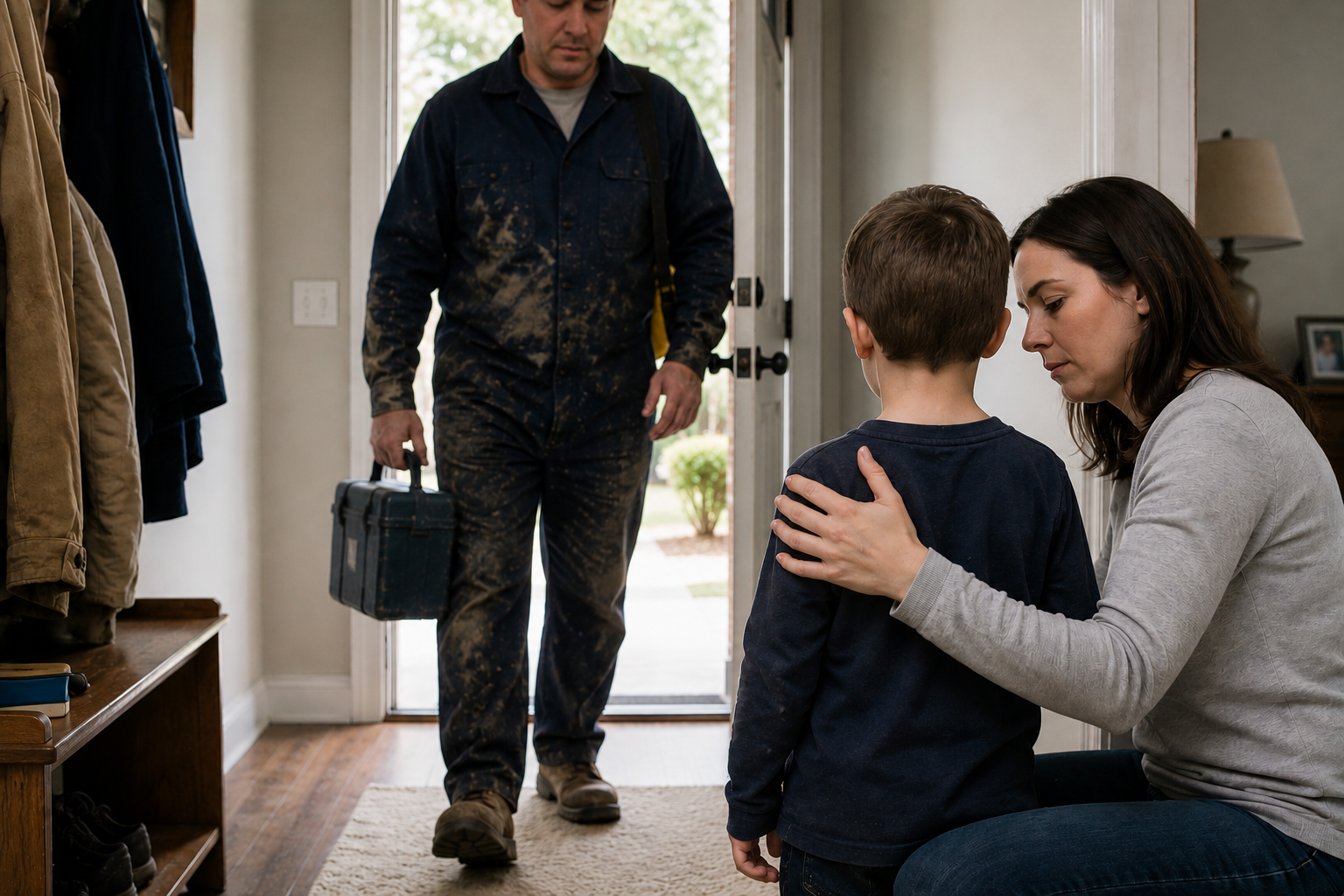
Secondhand exposure, also called take-home exposure, can occur when fibers are carried away from a workplace on clothing, shoes, tools, hair, vehicles, or laundry. Family members may not have worked directly with asbestos, but could still encounter dust brought home from job sites or industrial settings. This is why exposure history research often includes both the worker’s job history and the household environment during the years when dusty work occurred.
Related exposure topics
Reminder: This content is for general education only. MesotheliomaClaims.us is not a law firm, does not provide legal advice, and does not provide medical advice.